
Quick Answer: Learn about SBA certifications including 8(a), WOSB, SDVOSB, and HUBZone. Get step-by-step guidance on eligibility, application, and compliance to win
Did you know the U.S. federal government aims to award at least 23% of all prime contract dollars to small businesses annually? This significant goal represents a massive opportunity for small business owners like you. Unlocking this potential often starts with obtaining the right SBA certifications. These designations can give your business a competitive edge, opening doors to exclusive government contracts and set-aside programs designed to support specific types of businesses.
Navigating the world of federal contracting can seem complex, but understanding the various Small Business Administration (SBA) certification programs is your first step toward success. From the 8(a) Business Development Program to certifications for women-owned, service-disabled veteran-owned, and businesses in historically underutilized zones, each offers unique benefits. This guide will walk you through the specifics of each major SBA certification, helping you identify which ones might be right for your business and how to pursue them.
What Are SBA Certifications and Why Do They Matter?
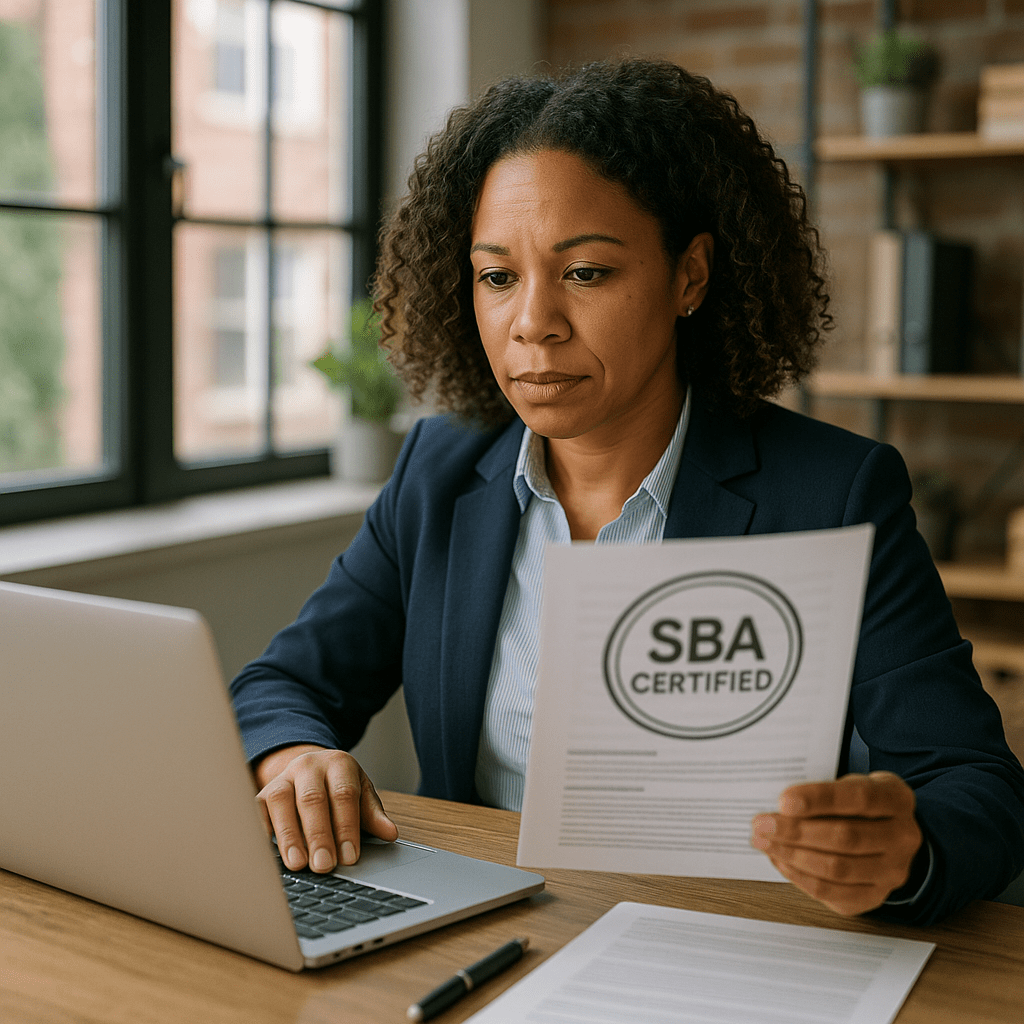
SBA certifications are official designations provided by the Small Business Administration that confirm a business meets specific criteria, making it eligible for certain federal contracting advantages. These certifications are not just bureaucratic hurdles; they are powerful tools designed to help small businesses compete in the federal marketplace.
The federal government sets aside a significant portion of its contracts specifically for small businesses. As mentioned, the goal is to award at least 23% of prime contract dollars to small businesses each year. Within this overall goal, there are specific sub-goals for various categories, such as women-owned, service-disabled veteran-owned, and businesses located in HUBZones. By obtaining an SBA certification, your business gains preferential access to these set-aside contracts, often facing reduced competition compared to the open market.
- Preferential Access: Certified businesses can bid on contracts specifically reserved for their category.
- Reduced Competition: Fewer eligible bidders often mean a higher chance of winning contracts.
- Growth Opportunities: Government contracts can be substantial, providing stable revenue and opportunities for significant business growth and expansion.
- Mentorship and Support: Some programs, like the 8(a) program, offer extensive business development assistance.
These benefits highlight why pursuing one or more SBA certifications can be a game-changer for your company, allowing you to tap into a multi-billion dollar market.
8(a) Business Development Program: Eligibility and Application
The 8(a) Business Development Program is one of the most sought-after SBA certifications, designed to help small businesses owned and controlled by socially and economically disadvantaged individuals grow and compete in the federal marketplace. It provides a broad range of assistance, including business development support, mentoring, and the ability to receive sole-source contracts.
To qualify for an 8a certification, a business must meet several stringent requirements:
- It must be a small business, as defined by the SBA.
- It must be at least 51% owned and controlled by U.S. citizens who are determined by the SBA to be socially and economically disadvantaged.
- The disadvantaged individual must have a net worth of less than $850,000, adjusted for inflation, and an average adjusted gross income of $400,000 or less over the past three years.
- The individual must also demonstrate good character and manage the daily operations of the business.
- The business must demonstrate potential for success and have been in operation for at least two years, though waivers are possible.
The application process for the 8(a) program is thorough and can be time-consuming, typically taking 90-120 days from submission to approval. It involves extensive documentation of personal and business finances, ownership, and operational history. Once certified, businesses are part of the program for a maximum of nine years, during which they receive specialized business development assistance, including executive training, technical assistance, and the ability to form joint ventures with larger businesses to compete for larger contracts.
Women-Owned Small Business (WOSB) Certification

The Women-Owned Small Business (WOSB) Federal Contracting Program aims to expand federal contracting opportunities for women entrepreneurs. This program allows eligible WOSBs to compete for federal contracts that are set aside for them in industries where women are underrepresented. The government’s goal is to award at least 5% of all federal contracting dollars to WOSBs annually.
To be eligible for WOSB certification, your business must:
- Be a small business according to SBA size standards.
- Be at least 51% owned and controlled by one or more women who are U.S. citizens.
- Have women managing the daily business operations and making long-term decisions.
- The highest officer position in the business must be held by a woman.
The application process for WOSB certification can be completed through the SBA’s online portal. Businesses can self-certify or get certified through an approved third-party certifier. Regardless of the method, accurate and complete documentation is crucial. This includes proof of ownership, citizenship, and operational control. A step-by-step application checklist typically involves gathering legal documents, financial statements, and resumes of key personnel to demonstrate compliance with all eligibility requirements.
Service-Disabled Veteran-Owned Small Business (SDVOSB) Program
The Service-Disabled Veteran-Owned Small Business (SDVOSB) program is designed to help service-disabled veterans gain access to federal contracting opportunities. The federal government aims to award at least 3% of all prime contract dollars to SDVOSBs each year, recognizing the sacrifices made by these individuals.
Key eligibility criteria for SDVOSB certification include:
- The business must be a small business as defined by SBA size standards.
- It must be at least 51% owned by one or more service-disabled veterans.
- One or more service-disabled veterans must manage the day-to-day operations and make long-term decisions.
- The service-disabled veteran must hold the highest officer position in the company.
- The disability must be service-connected, meaning it was incurred or aggravated during active military service, and rated by the Department of Veterans Affairs (VA).
The application process for the SDVOSB program has recently transitioned. As of January 2023, the SBA is the sole certifying entity for SDVOSBs, moving away from the previous VA certification process. Businesses must now apply through the SBA’s certification platform. Required documentation typically includes proof of veteran status, service-connected disability, ownership structure, and operational control. Once certified, SDVOSBs can bid on contracts specifically set aside for them, offering a significant advantage in securing federal work.
HUBZone Certification: Unlocking Opportunities in Underserved Areas
The Historically Underutilized Business Zone (HUBZone) program encourages economic development and employment growth in distressed communities by providing federal contracting preferences to small businesses located in these areas. The government’s goal is to award at least 3% of prime contract dollars to HUBZone-certified businesses annually.
To qualify for HUBZone certification, a business must meet several specific requirements:
- It must be a small business.
- Its principal office must be located in a HUBZone.
- At least 35% of its employees must reside in a HUBZone.
- It must be at least 51% owned and controlled by U.S. citizens, a Community Development Corporation, an agricultural cooperative, an Alaska Native Corporation, or an Indian tribe.
Benefits of HUBZone certification include competitive and sole-source contracting opportunities, as well as a 10% price evaluation preference in full and open competition. This means that a HUBZone business can be awarded a contract even if its bid is up to 10% higher than a non-HUBZone competitor’s bid, provided all other factors are equal. The application process is managed through the SBA’s General Login System (GLS) and requires meticulous documentation to prove location, employee residency, and ownership. For those looking to streamline their application, specialized resources can be invaluable. For instance, some businesses find assistance that helps them navigate the complexities of the program, such as the comprehensive guide available on Amazon for HUBZone certification, which can offer practical insights and tips.
Common Pitfalls and How to Avoid Them
While the benefits of SBA certifications are clear, the application process can be challenging. Many businesses encounter common pitfalls that lead to delays or even rejection. Being aware of these issues can help you prepare more effectively.
- Incomplete Documentation: This is perhaps the most frequent reason for application delays. Ensure every required document is submitted, accurately filled out, and up-to-date. Missing forms, expired licenses, or unclear financial statements can halt your progress.
- Missed Deadlines: The SBA provides specific timelines for submitting additional information or responding to requests. Failing to meet these deadlines can result in your application being closed.
- Misunderstanding Eligibility Criteria: Each certification has unique and often complex eligibility rules. A common mistake is assuming eligibility based on general knowledge rather than a detailed review of the SBA’s specific guidelines. For example, ownership and control definitions can be very precise.
- Lack of Preparation: Rushing the application without thoroughly reviewing all requirements and gathering necessary information beforehand often leads to errors.
To ensure a smooth application process, consider these tips:
- Read the Guidelines Carefully: Before starting, thoroughly review all eligibility requirements and application instructions for the specific certification you are pursuing.
- Organize Your Documents: Create a checklist of all required documents and gather them systematically. Keep digital and physical copies organized.
- Seek Expert Advice: If you’re unsure about any aspect of the application, consider consulting with an expert or an organization that specializes in SBA certifications.
- Be Patient and Persistent: The process can take time. Be prepared for follow-up questions from the SBA and respond promptly and accurately.
- What are the key benefits of SBA certifications for government contractors?
- How long does the 8(a) certification process typically take?
- What are the eligibility requirements for WOSB certification?
- Can MBZHUB assist with my SBA certification application?
- Definition of SBA 8(a) certification
- Steps to apply for WOSB certification
- Eligibility criteria for SDVOSB program
- List of required documents for SBA certifications
Your Next Steps on SBA Certifications
SBA certifications are invaluable tools for small businesses looking to enter or expand within the federal contracting arena. They open doors to lucrative government contracts, offer a competitive advantage, and provide opportunities for significant growth. Whether you pursue the 8(a) Business Development Program, WOSB certification, SDVOSB status, or HUBZone designation, understanding the specific requirements and diligently preparing your application are crucial steps toward success.
While the process demands careful attention to detail and a commitment to compliance, the potential rewards for your business are substantial. By leveraging these programs, you can secure your place in the federal marketplace and achieve new levels of success. Ready to explore which certification is right for your business? Get Started today!
Key Facts About SBA certifications
What are the key benefits of SBA certifications for government contractors?
SBA certifications provide businesses with preferential access to federal set-aside contracts, reduced competition, and opportunities for significant growth through government contracting. Some programs also offer mentorship and business development support.
How long does the 8(a) certification process typically take?
The duration varies by program. The 8(a) certification process typically takes 90-120 days. Other certifications like WOSB, SDVOSB, and HUBZone can also take several weeks to a few months, depending on the completeness of the application and the SBA’s workload.
What are the eligibility requirements for WOSB certification?
Yes, it is possible for a business to hold multiple SBA certifications simultaneously if it meets the eligibility requirements for each program. For example, a business could be both WOSB and HUBZone certified, or SDVOSB and 8(a) certified, maximizing its contracting opportunities.
Can MBZHUB assist with my SBA certification application?
The 8(a) program focuses on businesses owned by socially and economically disadvantaged individuals, providing extensive business development assistance and sole-source contract opportunities. HUBZone certification, on the other hand, targets businesses located in historically underutilized business zones, aiming to stimulate economic growth in distressed communities through contracting preferences based on location and employee residency.
Fact: Definition of SBA 8(a) certification
Fact: Steps to apply for WOSB certification
Fact: Eligibility criteria for SDVOSB program
Fact: List of required documents for SBA certifications
Frequently Asked Questions
What are the benefits of SBA certification?
SBA certifications provide businesses with preferential access to federal set-aside contracts, reduced competition, and opportunities for significant growth through government contracting. Some programs also offer mentorship and business development support.
How long does SBA certification take?
The duration varies by program. The 8(a) certification process typically takes 90-120 days. Other certifications like WOSB, SDVOSB, and HUBZone can also take several weeks to a few months, depending on the completeness of the application and the SBA’s workload.
Can I have multiple SBA certifications?
Yes, it is possible for a business to hold multiple SBA certifications simultaneously if it meets the eligibility requirements for each program. For example, a business could be both WOSB and HUBZone certified, or SDVOSB and 8(a) certified, maximizing its contracting opportunities.
What is the difference between 8(a) and HUBZone certifications?
The 8(a) program focuses on businesses owned by socially and economically disadvantaged individuals, providing extensive business development assistance and sole-source contract opportunities. HUBZone certification, on the other hand, targets businesses located in historically underutilized business zones, aiming to stimulate economic growth in distressed communities through contracting preferences based on location and employee residency.
What are the common reasons for SBA certification application rejection?
Common reasons for rejection include incomplete or inaccurate documentation, failure to meet specific eligibility criteria (e.g., ownership, control, net worth limits), missed deadlines for submitting requested information, and lack of demonstrated operational control by the qualifying individual.

Leave a Reply